2026 Taiwan European Culture Forum 33: The Art of Caring for Birth, Aging, and Illness
2026-03-21
The Art of Caring for Birth, Aging, and Illness: Tradition and Innovation in Europe
Birth, aging, and illness are normal parts of life, how do we coexist with them and care for each other? As we increasingly rely on technological developments to improve human life, we also shape specific social orders and logics of care in everyday practices. For example, contemporary childbirth is no longer seen as a natural process due to the habituation of medical intervention; the end of life is postponed by technology, natural death has become rare, and living with chronic illnesses or disabilities has become part of daily life.
While embracing technology, we are also increasingly aware of the limits of its application. In the process of caring for birth, aging, illness, and death, medical professionals have begun to explore alternative modes of care. Some traditional medical practices and arts are being recognized here, some are incorporated into clinical and daily care, while others are dismantled and reassembled into institutional management techniques.
This forum features three lectures:
- Birth: Introduces the Mexican shawl (rebozo) often used in Danish maternity wards, exploring alternative techniques in maternal care.
- Illness Care: Explains how traditional Taiwanese acupuncture is viewed in the Netherlands and efforts to integrate it into the local care system.
- Aging: Explores how elderly residents in French nursing homes seek necessary care at the end of their lives.
Through the practices of caring for birth, aging, and illness in different countries, we explore the complexity and multiplicity of contemporary care from various perspectives including clinical profession, policy, care facilities, and daily life. We will also see how Denmark, the Netherlands, and France utilize traditional knowledge and the modes required by care recipients to create locally suitable care arts.
[Event Information]
- Time: March 21, 2026 (Saturday) 14:00 ~ 16:30
- Location: NTU Library
- Registration: Click to Register
[Speaker Introduction]
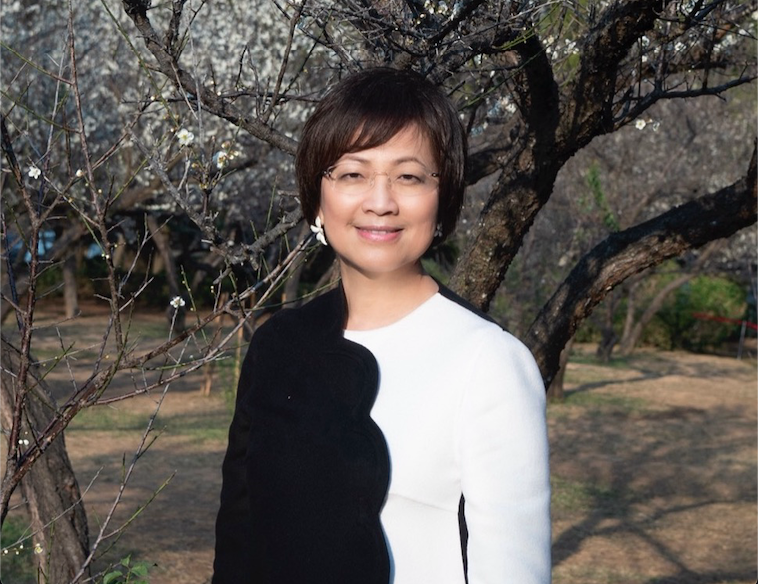
Moderator / General Convener: Luisa Chang
General Convener of Taiwan European Culture Forum / Professor, Department of Foreign Languages and Literatures, NTU; President of the Taiwanese Association of Hispanists
Ph.D. in Spanish & Latin American Literature, Complutense University of Madrid. Currently a Professor at NTU's Department of Foreign Languages and Literatures; President of the Taiwanese Association of Hispanists and the Asian Association of Hispanists. Elected as a Corresponding Academician of the Royal Spanish Academy (RAE) in 2016. Corresponding member of the Duke of Soria Foundation (FDS) since 2019. Academic expertise spans contemporary Spanish and Latin American literature; Spanish travel literature, picaresque novels; Latin American modernist poetics.
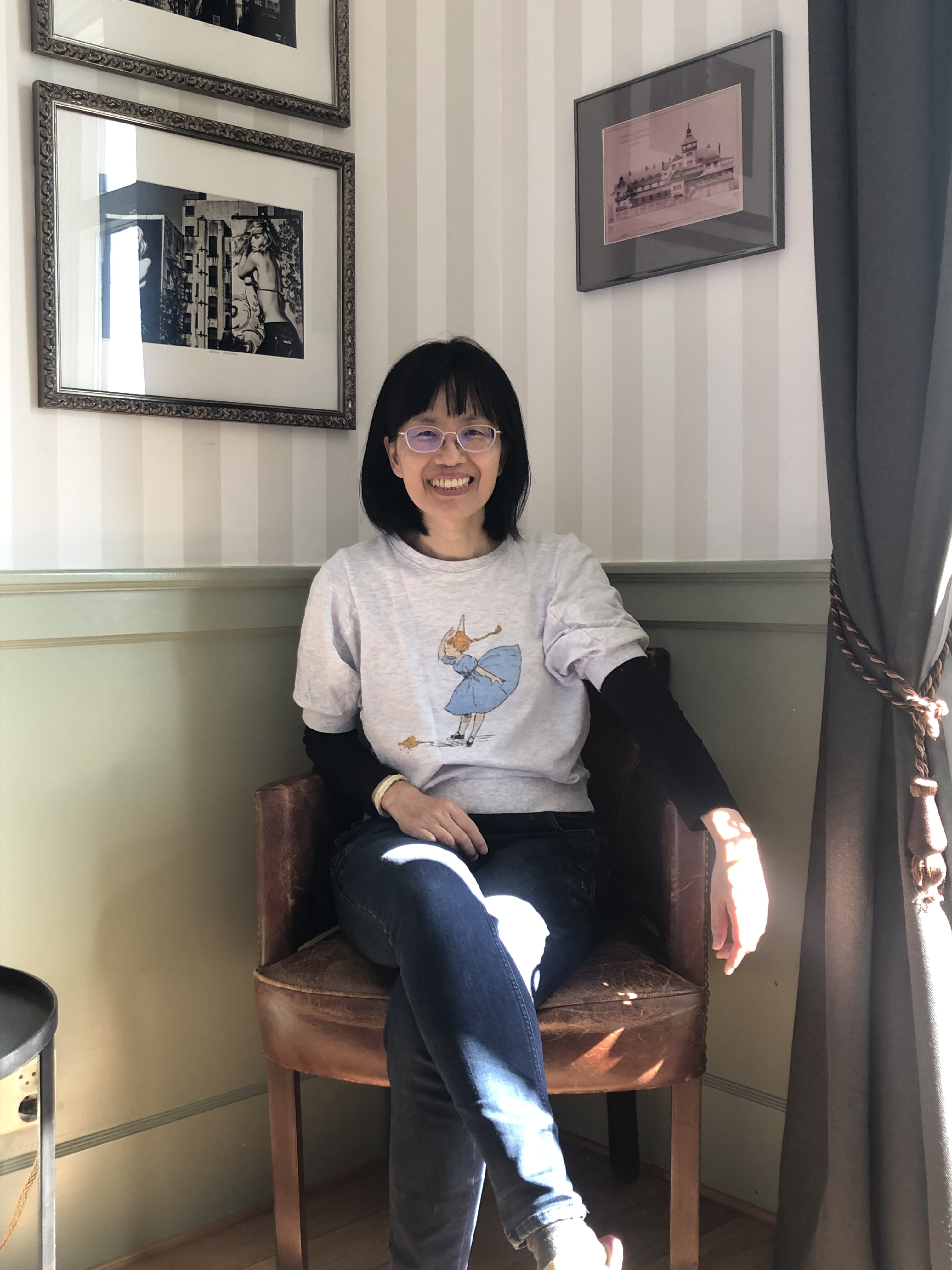
Speaker I: Li-Wen Shih
Associate Professor, Graduate Institute of Humanities in Medicine, Taipei Medical University
The rebozo is a traditional Mexican shawl used for warmth, decoration, and as a crucial item in daily life, childbirth, and baby-wearing. During pregnancy, traditional midwives use the rebozo to help mothers ease discomfort and reduce labor pains, making it a traditional maternal care art of indigenous Mexican midwives. In 2001, a Danish midwife, Marta Orbis, stumbled upon this shawl and introduced the rebozo into Danish hospital delivery rooms. How might this translational journey of a craft from South to North inspire us to rethink the logic of innovation and need that contemporary care technologies rely on?
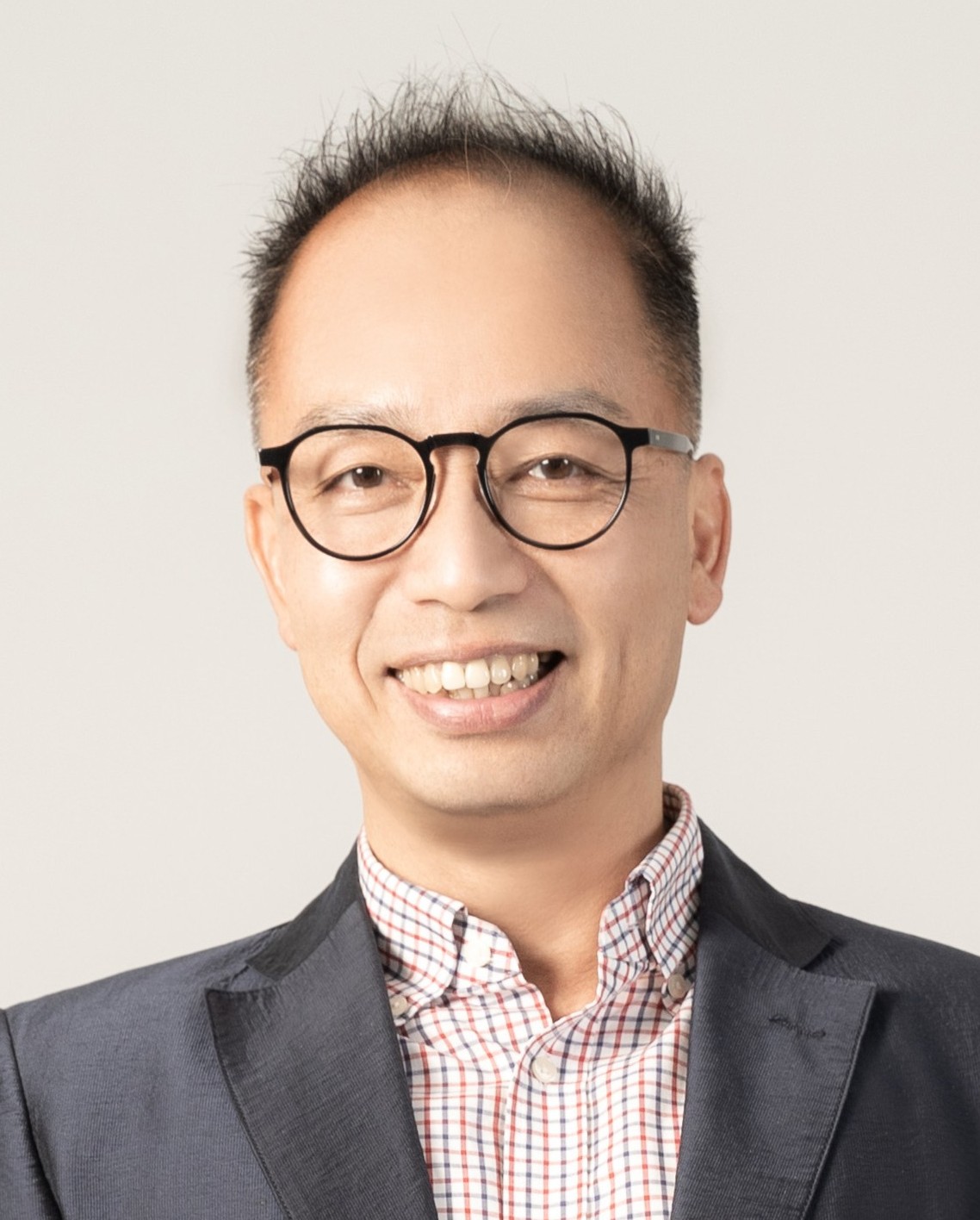
Speaker II: Wen-Te Chang
Professor/Chair, Department of Chinese Pharmaceutical Sciences and Chinese Medicine Resources, China Medical University
"Traditional Chinese medicine is so great, why isn't it in the Netherlands?" This question was raised by a professor from Leiden University during my lecture on the role and cultural identity of Taiwanese TCM in long-term care. This seemingly straightforward question actually touches upon the deep issue of how healthcare is shaped by culture and institutions. We will explore the position and limitations of TCM in Dutch society from cultural and institutional perspectives, and further consider how medical knowledge is understood, translated, and practiced within specific social conditions, policy frameworks, and professional governance systems.
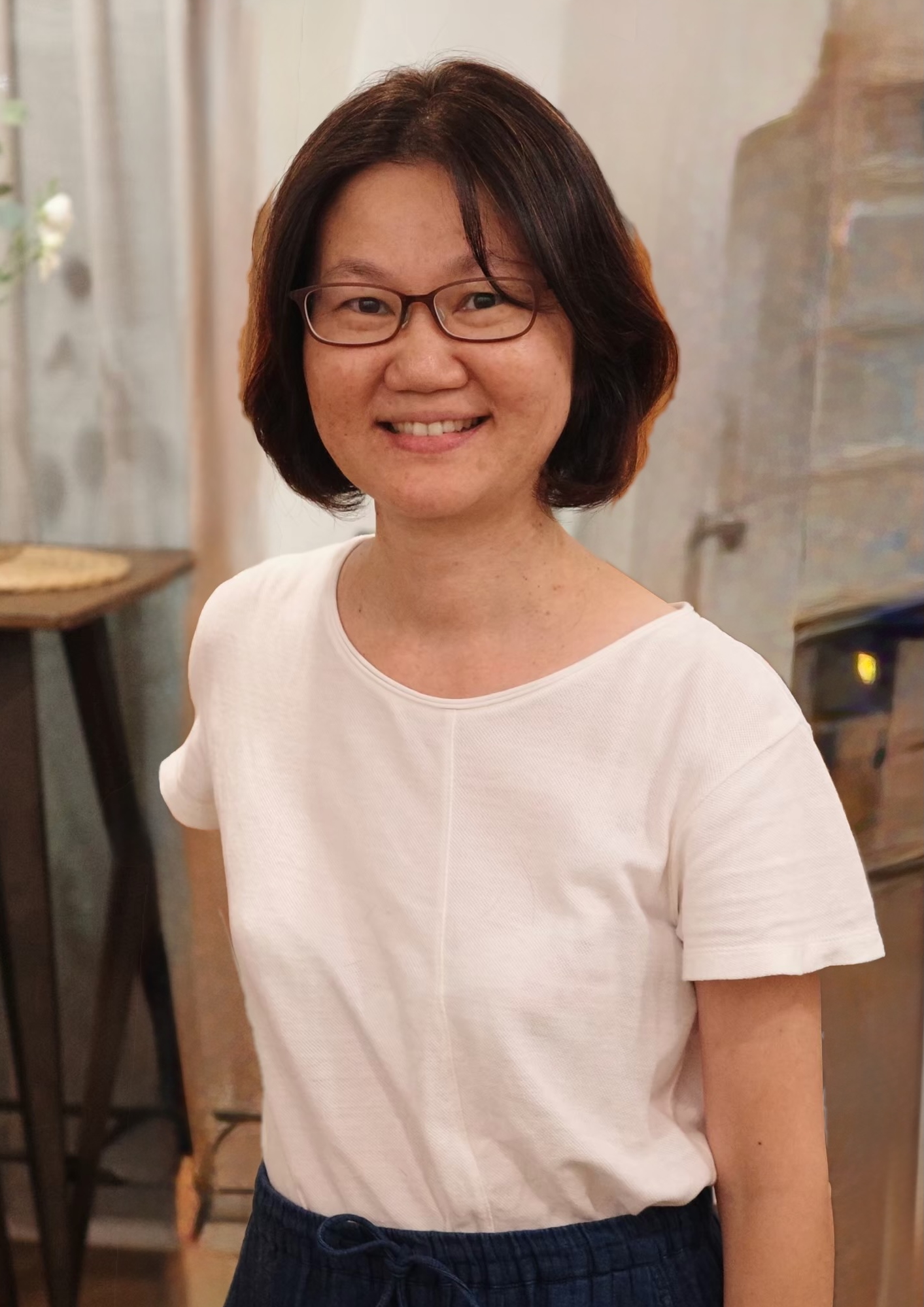
Speaker III: Shao-Fen Li
Assistant Professor, Institute of Health and Welfare Policy, National Yang Ming Chiao Tung University
At the end of life, what kind of care do we need? In France, the concept of "autonomy" (autonomie) was born in the field of aging policy sixty years ago, and since the 21st century, it has gradually replaced the concept of "dependency" (dépendance), guiding the direction of French social policies and actions. Why is "autonomy" simultaneously valued and criticized by academics and practitioners, fearing it might become a driver of neoliberal ideology? In the care of disabled seniors, how is the dialectic of dependency and autonomy practiced in institutional care? Drawing on fieldwork in French nursing homes, the speaker invites the audience to rethink the relationship between dependency and autonomy in late-life care.
[Location Map]
Posters
Event Info
Birth, aging, and illness are normal parts of life, how do we coexist with them and care for each other? This forum features three lectures exploring the complexity and multiplicity of contemporary care in Denmark, the Netherlands, and France from various perspectives including clinical profession, policy, and care facilities.